
Call: 08045475753
 Send Inquiry
 Send Inquiry
PTFE Envelope Gasket
Price 50 INR/ Piece
MOQ : 25 Pieces
PTFE Envelope Gasket Specification
- Type
- PTFE Envelope Gasket
- Material
- PTFE
- Corrosion Protection
- No
- Thickness
- 1-5 Millimeter (mm)
- Size
- Standard
- Warranty
- no
PTFE Envelope Gasket Trade Information
- Minimum Order Quantity
- 25 Pieces
- Supply Ability
- 100000 Pieces Per Month
- Delivery Time
- 1 Days
- Packaging Details
- Carton Box
- Main Domestic Market
- All India
About PTFE Envelope Gasket
Other Details:
| Available Material | PTFE,Teflon,Glass Filled PTFE,Carbon Filled PTFE etc |
| Temperature | 180 Deg C +260 Deg C |
| Density | 2.102.30 g/cm3 |
| Pressure Resistance | 10 Mpa |
| Hardness | 58 Shore D |
Exceptional Chemical Resistance
PTFE Envelope Gaskets deliver unparalleled resistance to a wide array of chemicals, ensuring extended service life in harsh industrial settings. Their construction from pure PTFE material makes them suitable for applications where other gasket materials would degrade, maintaining performance even in corrosive environments.
Wide Range of Industrial Applications
These gaskets are commonly used in sectors such as chemical processing, pharmaceuticals, food and beverage, and water treatment. They provide an effective seal for piping systems with flanged connections, helping to prevent leaks and maintain system integrity across various pressures and temperatures.
Flexible Sizing and Easy Installation
Available in standard sizes and thicknesses between 1 to 5 millimeters, our PTFE Envelope Gaskets are designed for straightforward installation. Their flexibility enables them to conform easily to uneven flange surfaces, ensuring a tight, secure fit without specialized tools or complex procedures.
FAQ's of PTFE Envelope Gasket:
Q: How are PTFE Envelope Gaskets typically installed in industrial applications?
A: PTFE Envelope Gaskets are placed between two flange surfaces during pipeline assembly. The gasket is compressed as the flanges are bolted together, creating a leak-proof seal. No specialized installation equipment is required, and the process ensures that aggressive media are contained within the pipeline.Q: What is the main advantage of using PTFE Envelope Gaskets despite the absence of dedicated corrosion protection?
A: Even though they do not come with additional corrosion protection, the PTFE material itself is inherently resistant to most chemicals and corrosive substances. This property ensures that the gasket maintains integrity and performance even in harsh chemical environments.Q: When should PTFE Envelope Gaskets be chosen over other gasket types?
A: PTFE Envelope Gaskets are ideal for situations where chemical resistance and durability are paramount, such as in chemical processing, pharmaceuticals, or food processing plants. They are suitable when other gasket materials might fail due to chemical attack or require compliance with hygiene standards.Q: Where are PTFE Envelope Gaskets predominantly supplied and used in India?
A: These gaskets are extensively supplied by manufacturers, exporters, and wholesalers across India. They find usage in chemical factories, refineries, food processing plants, water treatment facilities, and pharmaceutical industries where secure and reliable flange sealing is required.Q: What process is involved in manufacturing PTFE Envelope Gaskets?
A: PTFE Envelope Gaskets are manufactured by shaping high-quality PTFE sheets into the desired thickness and size. The PTFE is then fashioned into an envelope that encases a core material, often a soft or semi-rigid insert, ensuring stability and optimum sealing.Q: How does the range of 1-5 millimeter thickness benefit users of PTFE Envelope Gaskets?
A: Offering varying thicknesses from 1 to 5 millimeters allows users to select a gasket that best suits the pressure, temperature, and flange conditions of their specific application. Thicker gaskets can accommodate uneven surfaces and higher pressures, enhancing overall sealing performance.Q: What are the key benefits of sourcing PTFE Envelope Gaskets from a trusted supplier in India?
A: Choosing a reputable supplier ensures you receive reliably manufactured gaskets in standard sizes with consistent quality. Indian suppliers often offer competitive pricing, prompt delivery, and technical support, making them a reliable choice for bulk as well as specialized orders.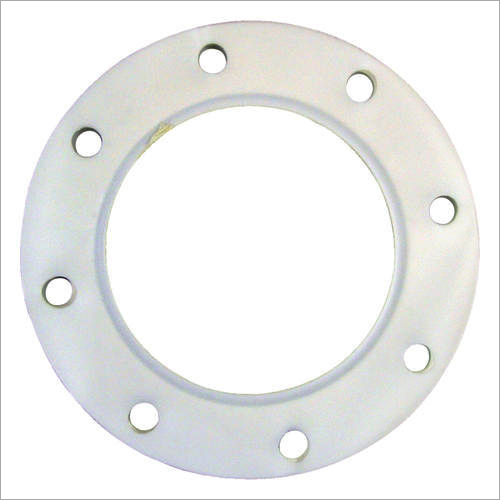
Tell us about your requirement

Price:
Quantity
Select Unit
- 50
- 100
- 200
- 250
- 500
- 1000+
Additional detail
Mobile number
Email

More Products in PTFE Gasket Category
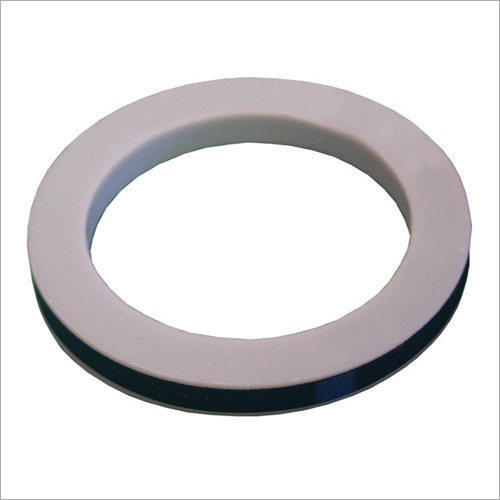
PTFE Envelope Gasket
Price 10.0 INR / Piece
Minimum Order Quantity : 5 Pieces
Corrosion Protection : No
Type : PTFE Envelope Gasket
Size : 100100mm
Warranty : One Year
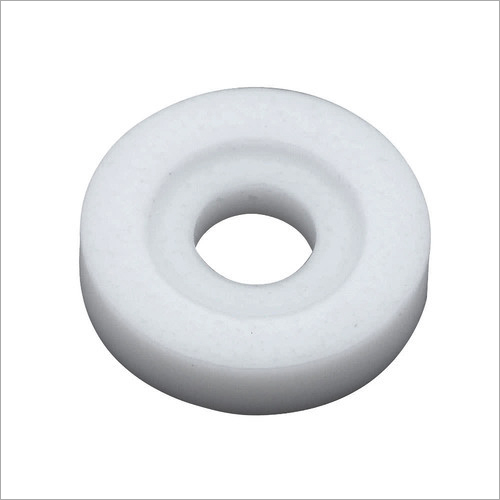
PTFE Circle Gasket
Price 10.0 INR / Unit
Minimum Order Quantity : 1
Corrosion Protection : No
Type : PTFE Gasket
Size : Standard
Warranty : N/A
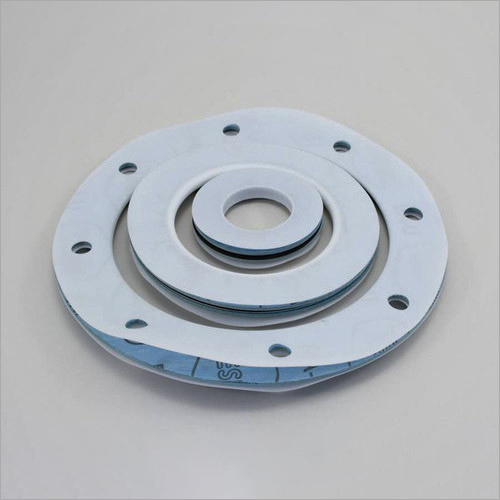
PTFE Envelope Gasket With Asbestos
Price 100 INR / Piece
Minimum Order Quantity : 15 Pieces
Corrosion Protection : No
Type : PTFE Envelope Gasket
Size : Standard
Warranty : no
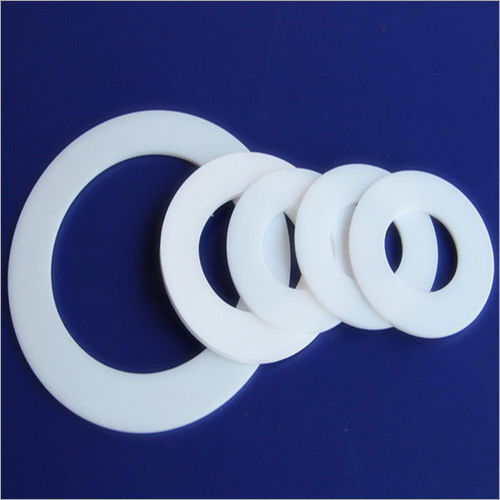
PTFE Ring Gasket
Minimum Order Quantity : 25 Pieces
Corrosion Protection : No
Type : PTFE Ring Gasket
Size : Standard
Warranty : no

Contact Details
RITU POLYMERS
GST : 27ACNPA4432B1Z4
- Sai Udyog, Building No. 2, Gala No. 101, First Floor, Near H P Gas Godown, Goddev Phatak Road,Mira Bhayandar - 401105, Maharashtra, India
- Phone :08045475753

 Send Inquiry
Developed and Managed by Infocom Network Private Limited.
